Lessons From My Indaba Journey

by siobhan | Mar 20, 2025 | Sauti Yetu

Dear Indaba Community,

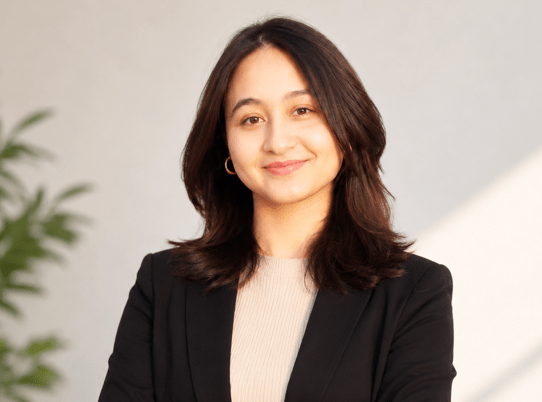
As I reflect on my journey, from a fresh engineering graduate with a new interest in machine learning, to my first exposure to research during my MPhil in Cambridge, and now as a Google DeepMind researcher with a PhD in machine learning, I'm struck by the large role that the Indaba has played. 

I truly believe that one of the biggest influences on my trajectory was engaging meaningfully with the Indaba and seizing the opportunities it presented. However, before I go any further I'd like to acknowledge the role that luck and privilege played. Through my undergraduate studies, I was fortunate to meet Benjamin Rosman (co-founder of the Deep Learning Indaba), who introduced me to the Indaba in the first place. And, on top of all my hard work, I was incredibly lucky to be accepted at Cambridge for my MPhil.

My first Indaba in 2017 was a turning point. Initially, I was ‘only’ going to be an attendee, but I found out that tutors were needed to beta-test and help run the practicals, and I volunteered. I spent hours meticulously going through the exercises, finding bugs, and suggesting improvements. During coffee breaks, conversations with the Indaba organisers were eye-opening. They pointed me towards Zoubin Ghahramani at Cambridge. Following their advice, I reached out to Zoubin and ended up working with him, which profoundly shaped my understanding of machine learning. As a result of my work with Zoubin, I was able to secure a fully-funded PhD position at Cambridge. 

In 2018 and 2019, I continued to engage. In 2018, my hard work on the practicals in 2017 was recognised, and I was asked to be a "head tutor”. In 2019, I was asked to co-develop all of the new practicals for that year. 

Avital Oliver from Depth First Learning (DFL) was also at the 2019 DLI. He was looking for folks to contribute to the website. I jumped at the chance to contribute. I volunteered to create a study guide on Wasserstein GANs, despite knowing very little about them. I spent countless hours researching, learning, and ultimately producing a resource that Avital and the DFL team were proud of. Avital's recommendation for my first Google Brain internship was without a doubt the reason I was selected. And the success of that led to a second internship, which ultimately led to my job at Google DeepMind.

I am acutely aware that my story isn't universally replicable. Luck played a significant role. And, as mentioned, my starting point was one of privilege. But I hope that my story also shows how communities like the Indaba can give us the chance to grow and succeed. 

So how can you make the most out of your next DLI? Here are my suggestions:

  • Connect Authentically: Don’t network for the sake of networking. Try to make a friend rather than a “connection”.
  • Contribute Actively: Take initiative. Volunteer to be a tutor and/or develop an Indaba practical. Pitch an idea at the next Ideathon or sign up to support a team’s vision. Help organise your local IndabaX to spread the Indaba mission. The more you give, the more you'll receive.
  • Dive Deep: If a topic interests you, explore it thoroughly. Ask follow-up questions. Collaborate with others to understand complex concepts.
  • Seek Mentorship: Identify individuals whose work you admire and ask for specific guidance. Sending a polite email doesn’t cost you anything; the worst that can happen is you don’t get a reply. The Indaba mentorship programme is a great place to start and matches mentees to mentors based on specific goals and overlapping interests!
  • Create Something: Write a short blog post, or develop tutorials based on what you learn at the Indaba. Sharing your knowledge is one of the best ways to understand something deeply. Kale-ab Tessera shared some great advice for getting started as a creator, in the newsletter last year. Grassroots machine learning initiatives like Masakhane, Sisonke Biotik, AfriClimate AI, and Ro’ya-CV4Africa are also a great place to start.
  • Most importantly: have fun! The Indaba can be intense, so take breaks when you need to, explore the host city, and make new friends. 

The Indaba is more than a conference, a summer school, or a community; it's a platform for positive change. By engaging actively and meaningfully, you can unlock opportunities you never thought possible.

- James Allingham. 2025 Programme Chair (Workshops), 2024 Programme Chair (Practicals), 2018 Indaba𝕏SA Organiser, and long time practicals contributor. March 2025.
Cheikh Anta Diop Award

The Cheikh Anta Diop Award recognises, encourages, and celebrates excellence in research, teaching, and community service by early- to mid-career academics and researchers at African universities in any area of artificial intelligence, as well as computational and statistical sciences. Its recipients are those who uphold Cheikh Anta Diop’s legacy as a multidisciplinary scientist and visionary intellectual.

The DLI 2026 Cheikh Anta Diop Award is awarded to:

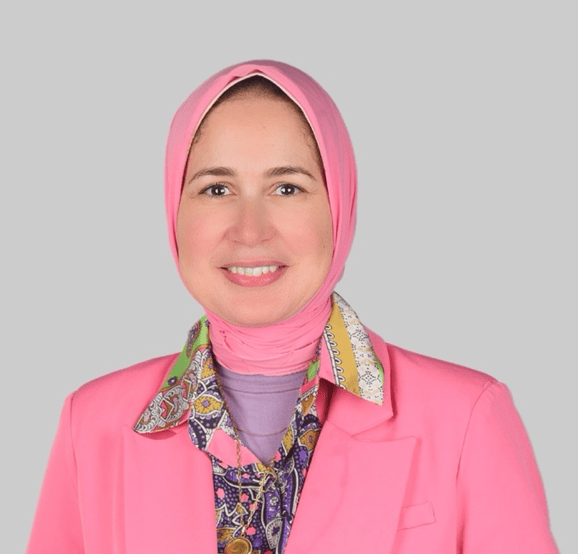
Winner: Prof Omneya Attallah 

Country: Egypt

Affiliation: Arab Academy for Science, Technology and Maritime Transport (AASTMT)

Essence of the Award: Prof. Omneya Attallah says that this award reminds her that every late night, sacrifice, and challenge she has faced as a working mother and African researcher has been worthwhile. It proves that perseverance truly pays off.

Professor Omneya Attallah is recognised for a career that integrates research excellence, teaching, and community service into a single mission. At AASTMT, she has built a research programme spanning breast cancer detection, paediatric epilepsy diagnosis, wearable biosensing, explainable AI, and CanSense, a breathomics AI system for non-invasive breast cancer screening developed on locally collected Egyptian clinical data in partnership with Egyptian clinicians. As a teacher she designed the curriculum for a new undergraduate Biomedical Engineering programme. She has supervised 13 postgraduate researchers to completion, the majority of them women. Through HERBioLab, WeBios, and her IEEE and editorial activities, she has built laboratories, curricula, training pathways, and partnerships that are shaping the next generation of African biomedical AI researchers

Wangari Maathai Impact Award

The Wangari Maathai Impact Award recognises and celebrates work by African innovators, thinkers, and advocates who demonstrate impactful work, including, but not limited to, technical, societal, environmental, and economic domains, around machine learning and artificial intelligence. This award reinforces the legacy of Wangari Maathai by acknowledging the capacity of individuals to be a positive force for change: by recognising ideas and initiatives that demonstrate that each of us, no matter how small, can make a difference.

The DLI 2026 Wangari Maathai Impact Award is awarded to:

Winner: Dr Hellina Hailu Nigatu

Country: Ethiopia

Affiliation: Artificial Intelligence Accountability Lab (AIAL) at Trinity College Dublin

Essence of the Award: Dr Hellina Hailu Nigatu says that having read Wangari Maathai's autobiography, Unbowed, it is a personal privilege to be recognized with an award in her name. She wants to give gratitude to her mentees on the project who carried the majority of the work. This recognition is as much, if not more, a fruit of their effort and hard work. She hopes this will also inspire more grassroots ventures in the African AI landscape that foster meaningful community engagement and participation.

Dr Hellina Hailu Nigatu is recognised for her work addressing gender bias in machine translation across three Ethiopian languages: Amharic, Afan Oromo, and Tigrinya. Rather than adapting English benchmarks, she built evaluation frameworks and datasets directly within African languages, preserving cultural nuances that translation from English cannot capture. Key to this work is the Yeswa Stories dataset, centered on African women's narratives and lived experiences. Seven Ethiopian female students participated as paid researchers, benefiting from funding, compute access, and substantive mentorship throughout. The project produced open-release benchmark datasets now available to the broader African NLP community. Her mentorship has been described by those she supervised as transformative, not nominal.

The DLI 2026 Wangari Maathai Impact Award runner-up is: 

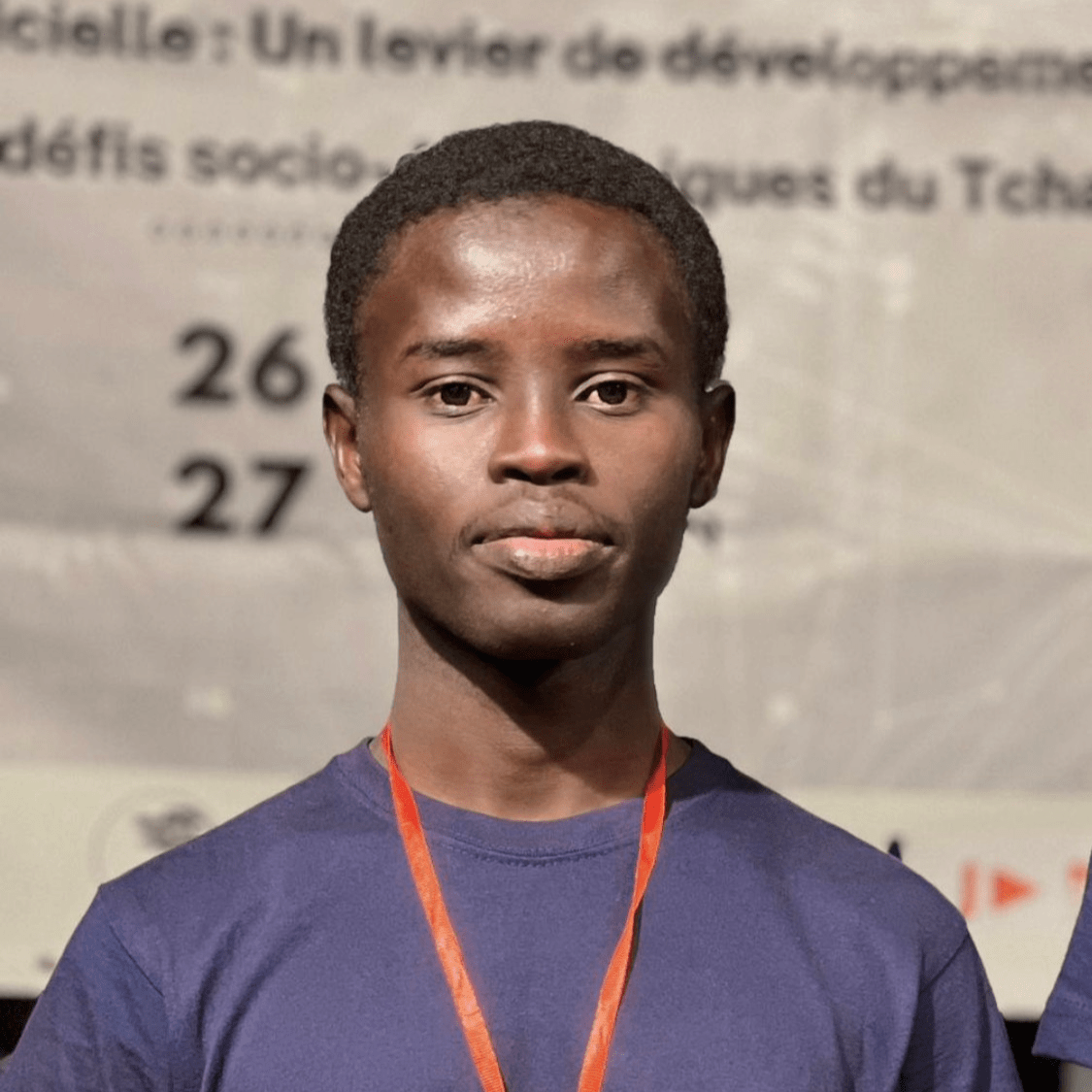
Runner-up: Abdel-aziz Harane Abounounou 

Country: Chad

Affiliation: Chad AI Network

Essence of the Award: Abdel-aziz Harane says that he is deeply honored by this award. This recognition reflects his constant obsession: solving Chad's real problems through AI and software engineering. It renews his commitment to the Chad AI Network's mission of sustainable, locally driven transformation.

Abdel-aziz Harane Abounounou is recognised for his work building the first natural language processing tools for Chad's indigenous languages, a country with 123 languages yet only two represented in existing digital tools. Rather than waiting for a foreign lab to take interest, he set out to build the entire pipeline himself, working directly with the communities who speak these languages. The Kalam-na project anchors this work, collecting audio and text data across 16 dialects of the Sara language family. Native speakers contribute their own voices through Kalam-na Voice, a platform built to remove technical barriers to participation. The project has gathered over 68,000 transcribed audio clips and 72,000 aligned texts, laying the groundwork for open ASR, TTS, and MT models. He also founded the Chad AI Network, now over 200 members strong, and ran two editions of IndabaX Chad. This work reaches an estimated 4 million speakers of Chadian languages currently shut out of the digital world.

Thamsanqa Kambule Doctoral Award

The Thamsanqa Kambule Doctoral Award recognises, encourages, and celebrates excellence in research and writing by doctoral candidates at African universities in any area of computational and statistical sciences. Its recipients are those who uphold Thamsanqa Kambule’s legacy as a defender of learning, a seeker of knowledge, and an activist for equality.

The DLI 2026 Thamsanqa Kambule Doctoral Award is awarded to:

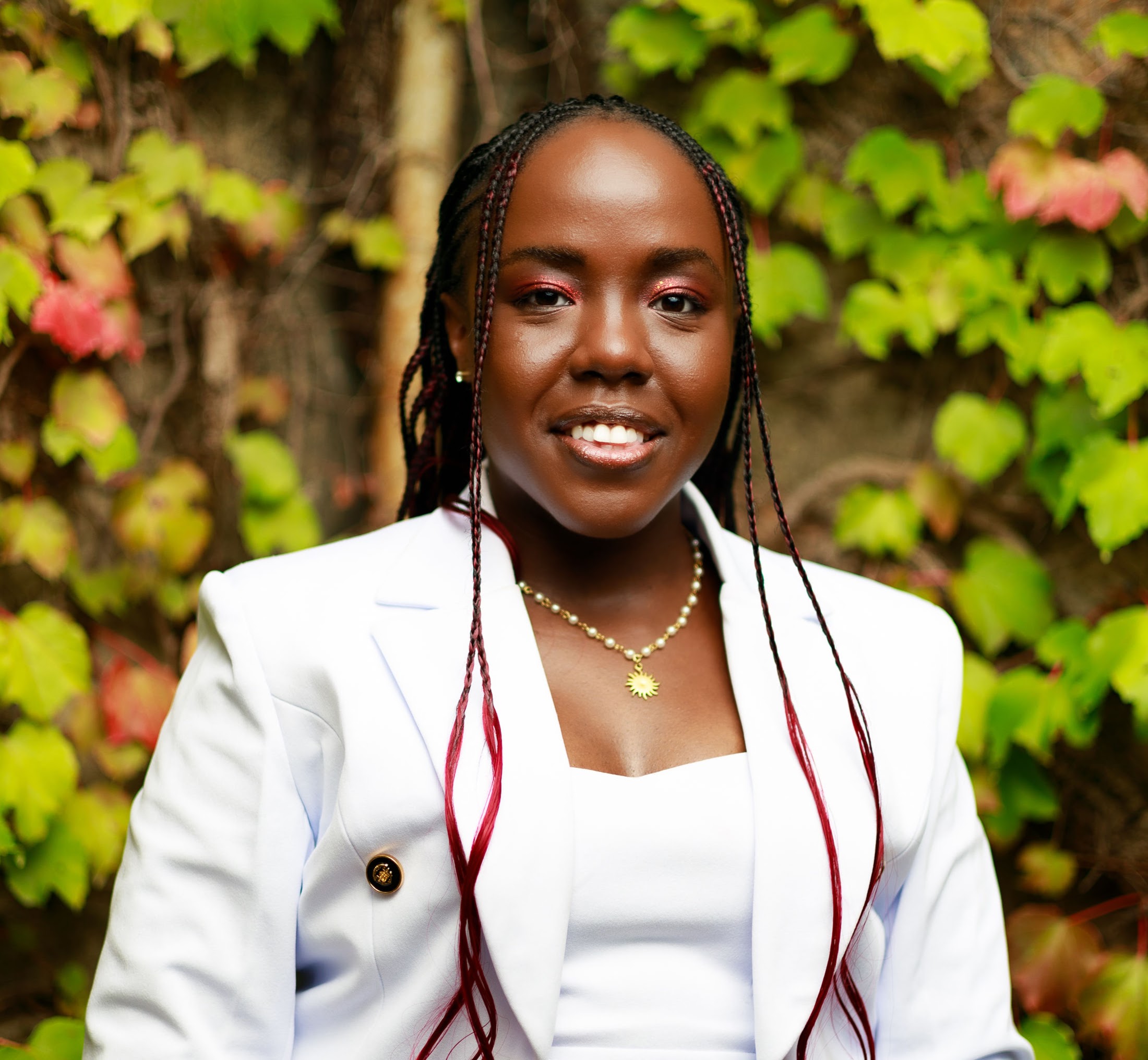
Winner: Dr Everlyn Chimoto 

Country: Kenya

Affiliation: Lelapa AI & Riara University

Essence of the Award: “Receiving this award is deeply meaningful because it recognises not only the years of work invested in this thesis, but also the support of my supervisor, collaborators, family, and the African NLP community that has continually inspired and challenged me. To me, it also recognises the importance of pursuing research motivated by the needs of underrepresented language communities. I believe this work demonstrates that data-centric approaches can make meaningful progress in low-resource settings while remaining relevant to many other machine learning problems. I am encouraged to continue pursuing research that advances knowledge while creating opportunities for more languages and more people to participate in language technology,” says Dr Everlyn Chimoto.

Dr Everlyn Chimoto is recognised for a doctoral thesis on sentence alignment for the Marama dialect of Luhya, CAT data pruning which achieves 92% of full-data performance at 50% of the data with no additional compute cost, GrammaMT which delivers over 12 BLEU point improvements for endangered languages from as few as 21 grammatical examples, and COMET-QE active learning for efficient data selection. Together these form a framework immediately usable by African NLP practitioners working under real compute and data constraints. Her work is centred on improving model performance to make AI systems more inclusive for African language communities.

The DLI 2026 Thamsanqa Kambule Doctoral Award runner-up is:

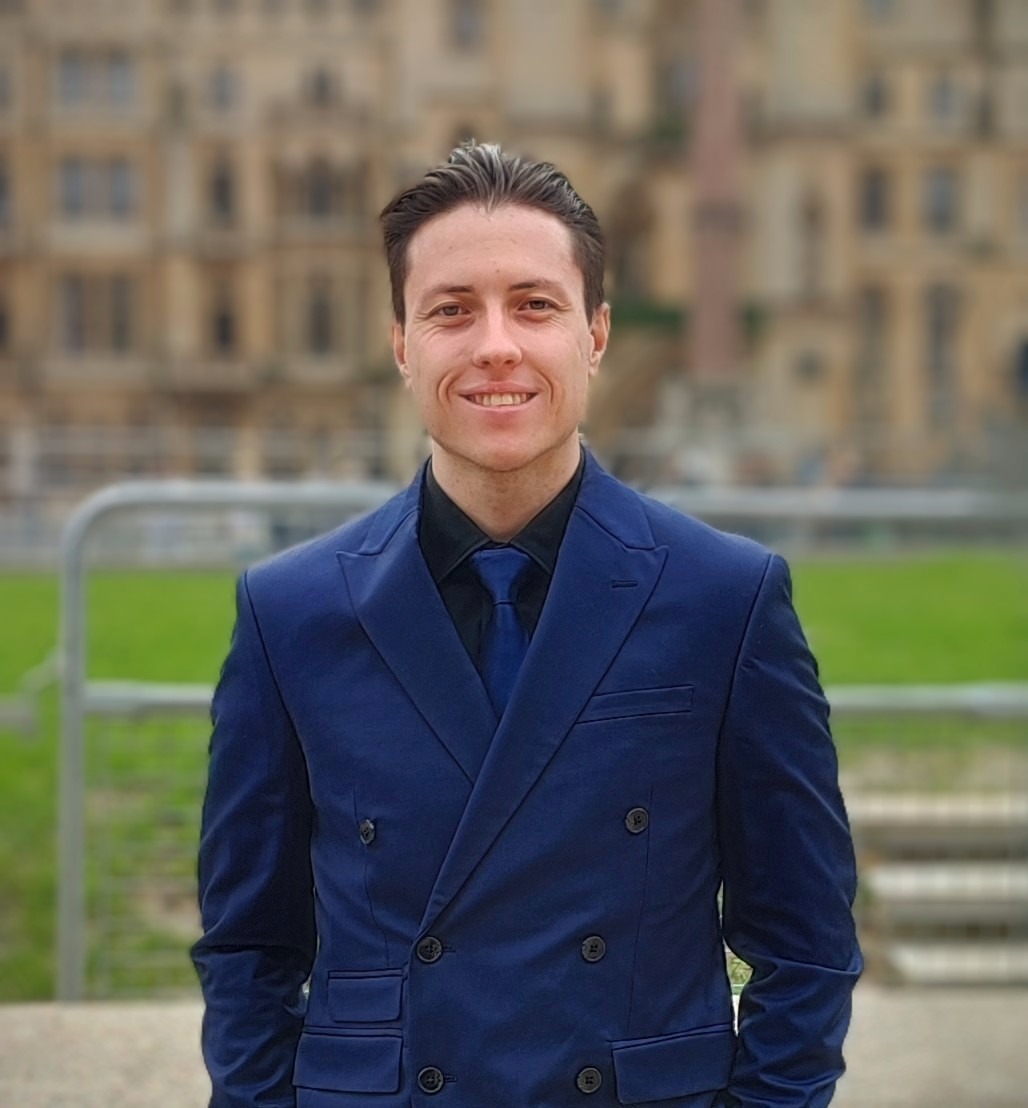
Runner-up: Dr Devon Jarvis 

Country: South Africa

Affiliation: University of the Witwatersrand

Essence of the Award: “I started learning ML while volunteering at the Indaba in 2017. To be recognised nine years later is gratifying and reflects the impact this community has had on my career,” says Dr Devon Jarvis.

Dr Devon Jarvis is recognised for his doctoral work developing a theoretical framework for controlled semantic cognition using deep and nonlinear neural networks to explain how the human brain flexibly applies learned semantic concepts to new contexts. Rather than treating machine learning purely as an engineering tool, he built tractable theoretical models that shed light on the principles of human cognition itself. His dissertation extends deep linear network theory to explain systematic generalisation, introduces a novel framework (the Rectified Linear Network) to model ReLU network training dynamics, and shows that these networks can capture all six classical properties of controlled semantic cognition while still falling short of systematic generalisation. He then proposes a meta-learning model, the Meta-GDLN, as a path toward closing that gap. He has since remained on the continent to establish the CAandL Lab, one of Africa's first computational neuroscience labs.

Grace Alele-Williams Masters Award

The Grace Alele-Williams Masters Award recognises and celebrates excellence in research and writing by master's candidates at African universities in any area of computational and statistical sciences. Its recipients are those who uphold Grace Alele-Williams’ legacy as a defender of learning, champion of academic excellence, and activist for access to education.

The DLI 2026 Grace Alele-Williams Masters Award is awarded to:

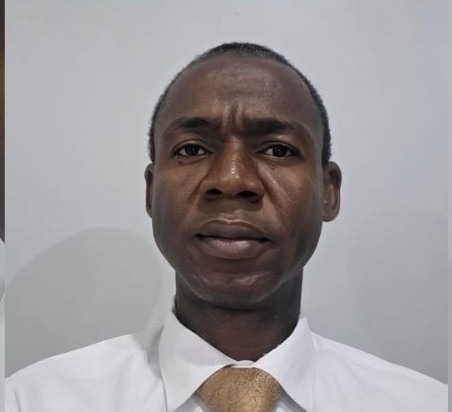
Winner: Akinbobola Adegboyega

Country: Nigeria

Affiliation: Olabisi Onabanjo University

Essence of the Award: According to Akinbobola Adegboyega, “The Alele-Williams Award is a reminder that hard work, curiosity, and dedication matter, and it inspires me to keep making meaningful contributions for societal benefit.”

Akinbobola Adegboyega is recognised for a Master's thesis that introduces affective fidelity as a new evaluation lens for machine translation in low-resource tonal languages, reframing emotion as a core measure of translation faithfulness rather than a secondary concern. His work targets Yorùbá, a language representing just 0.008% of Common Crawl training data. He produced a culturally validated bilingual emotion dataset of over 200 annotated paragraph pairs verified by native speakers, created a reproducible benchmarking framework evaluating four major language models, and identified six distinct failure modes specific to tonal low-resource language translation. The dataset has been released openly, contributing usable infrastructure to the African NLP community.

The DLI 2026 Grace Alele-Williams Masters Award runner-up is:

Runner-up: Imen Habibi 

Country: Tunisia

Affiliation: LARIA, ENSI, University of Manouba, Tunisia

Essence of the Award: “This recognition is the reward for five years of dedication and perseverance. It honors my supervisors' support and inspires me to continue pursuing research with confidence,” says Imen Habibi.

Imen Habibi is recognised for her master's thesis designing a drone-based inspection system that integrates optimized UAV path planning with AI-powered imaging for industrial applications. She developed spiral and zigzag trajectory strategies for nuclear facility inspection (validated through 2D and 3D simulations) alongside a CNN-based anomaly detection pipeline for PV solar panels achieving 91% accuracy. Her work bridges trajectory optimization and intelligent image analysis into a unified system applied to real industrial use cases, improving inspection reliability, precision, and efficiency.