For the past few months, our Awards team has worked hard reviewing all applications and nominations. We thank everyone who applied or was nominated. It is inspiring and uplifting to see homegrown research done by African researchers excel. This year, we have Awards in four categories: the Cheikh Anta Diop early-to-mid career, Thamsanqa Kambule Doctrial, Grace Alele-Williams Masters, and the Wangari Maathai Impact Awards. We are so excited to now announce this year’s Indaba awardees.
Cheikh Anta Diop Award
The Anta Diop Award recognises, encourages, and celebrates excellence in research, teaching and community service by early to mid-career academics and researchers at African universities, in any area of artificial intelligence, and computational and statistical sciences. Its recipients are those that uphold Cheikh Anta Diop’s legacy as a multidisciplinary scientist and visionary intellectual.
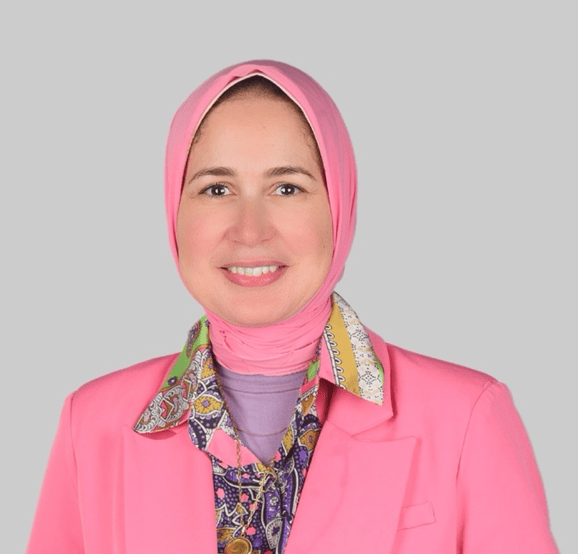
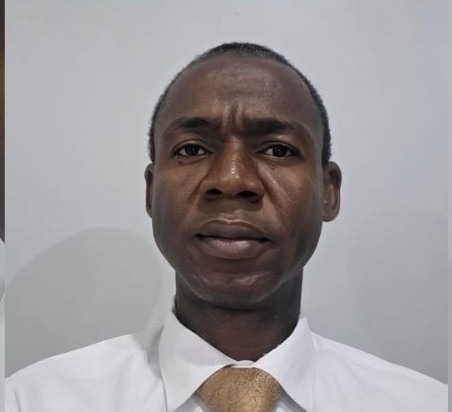
The 2024 Cheikh Anta Diop Award has been given to Dr. Chala Merga Abdissa, from Addis Ababa University, Ethiopia.

Dr. Chala Merga Abdissa currently works in the areas of neural networks and control algorithms for robots (UAVs, Mobile Robots and Rehabilitation Robots) including developing and implementing advanced neural network algorithms to enhance robotic control systems. His research and development efforts aim to improve the autonomy, precision, and efficiency of robots in various applications such as agriculture and health systems, contributing to advancements in robotics and artificial intelligence. Dr. Abdissa received his B.Sc. in electrical engineering from Addis Ababa University, Addis Ababa, Ethiopia, in 2009 and his Ph.D. in electronics engineering from Jeonbuk National University, Jeonju, Republic of Korea, in 2018. He is currently Assistant Professor at the School of Electrical and Computer Engineering, Addis Ababa University.
Following the Awards notification Dr. Abdissa commented “The Cheikh Anta Diop award inspires me to continue pushing the boundaries of technology, and striving for excellence in creating intelligent systems that can transform industries and improve lives.“
The 2024 Cheikh Anta Diop Award runner-up is Dr. Neema Mduma, from the Nelson Mandela African Institution of Science and Technology, Tanzania.

Dr. Neema Mduma is a distinguished computer scientist and senior lecturer at the Nelson Mandela African Institution of Science and Technology (NM-AIST). Her projects focus on developing ML datasets for crop diseases, deep learning tools for detecting diseases in common beans, banana and Irish potatoes, and tools for climate change adaptation in maize and common beans. She founded BakiShule, an initiative promoting STEM education among Tanzanian girls. Dr. Mduma actively advocates for student engagement in AI, ML, and IoT by organising sessions that encourage applications to prominent AI conferences and workshops, including Deep Learning Indaba and NeurIPS.
Dr. Mduma commented: ”I am deeply honoured to be selected as the runner-up for the Cheikh Anta Diop Early to Mid-Career Award at the Deep Learning Indaba 2024. This recognition reflects the dedication and hard work of myself and my team in applying emerging technologies like AI and ML to transform agriculture, health, education, and more. ”
Thamsanqa Kambule Doctoral Award
The Kambule Doctoral Award recognises, encourages, and celebrates excellence in research and writing by doctoral candidates at African universities, in any area of computational and statistical sciences. Its recipients are those that uphold Thamsanqa Kambule’s legacy as a defender of learning, a seeker of knowledge, and activist for equality.
The 2024 Kambule Doctoral Award has been given to Dr. Irene Nandutu, Rhodes University, South Africa.
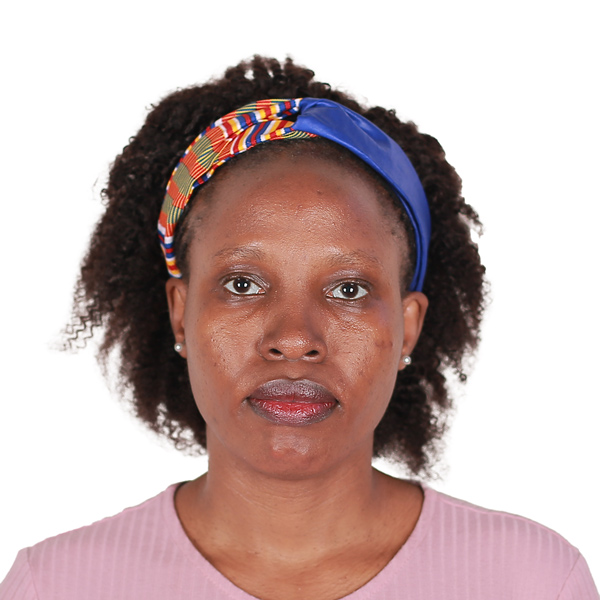
Irene Nandutu's journey in machine learning began during her master's program under the guidance of Dr. Ernest Mwebaze, who encouraged her to present her work at academic conferences. In 2020, she was admitted to the Applied Mathematics PhD program at RAIRG, Rhodes University. After completing her PhD in October 2023, Dr Nandutu moved to a postdoc position as an ALMA/DELTAS fellow at the University of Cape Town, focusing on early childhood brain development in Sub-Saharan Africa using AI. Dr Nandutu is currently a Senior Lecturer at Busitema University.
Dr. Nandutu’s work uses artificial intelligence techniques to address the widespread issue of wildlife-vehicle collisions in South Africa, a growing concern due to the lack of technical, practical solutions. In her doctoral thesis, Dr Nandutu developed an ethical framework for AI-driven wildlife monitoring and proposed an error-correction neural network to analyse complex animal road-crossing patterns. Her work can significantly reduce wildlife-vehicle collisions, improve road safety, and protect biodiversity.
Dr Nandutu commented: “I am honoured and thrilled to win the 2024 Kambule Doctoral Award. I sincerely thank the selection committee for recognizing my work. This recognition is truly a privilege and motivates me to enthusiastically dedicate myself to my research at the University of Cape Town.”
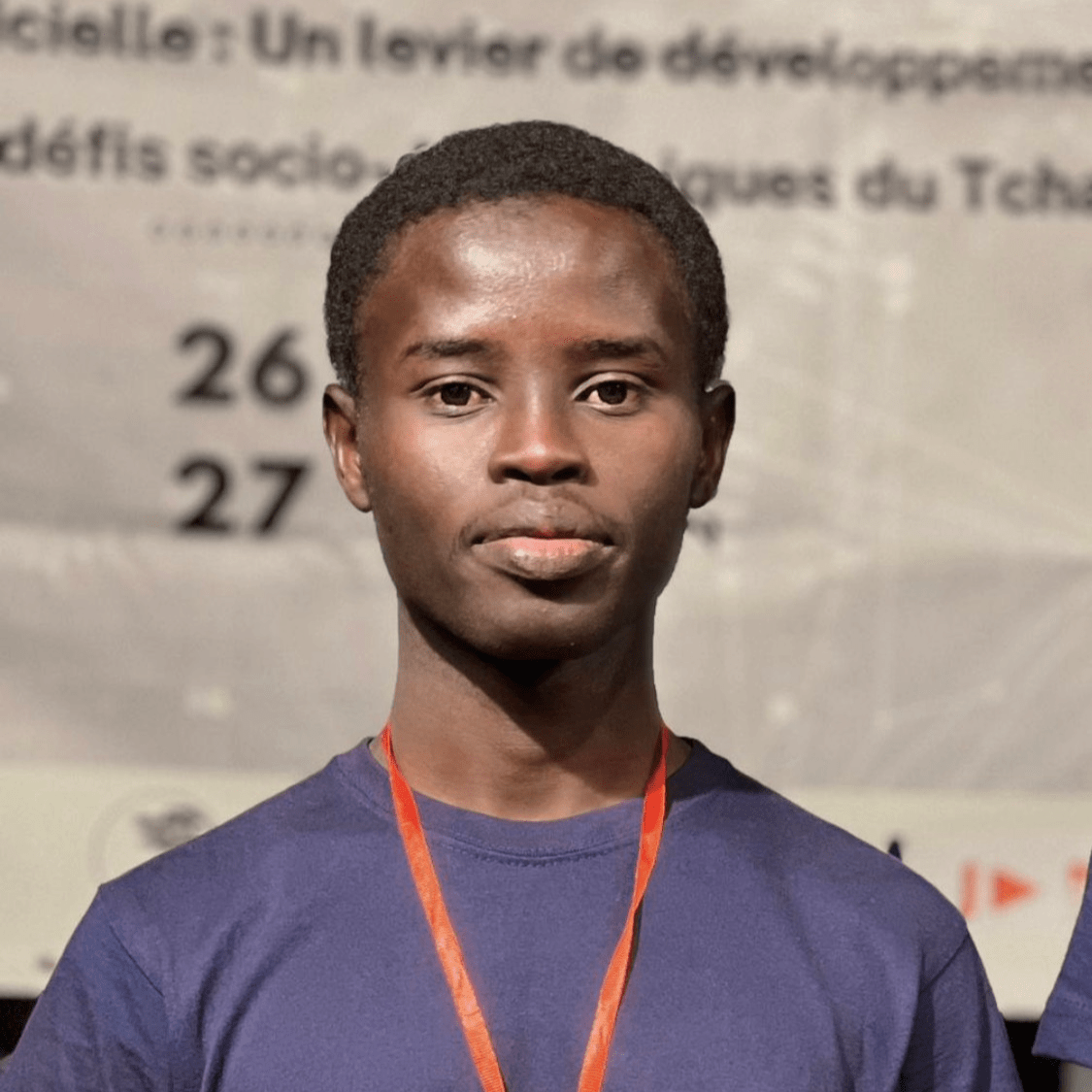
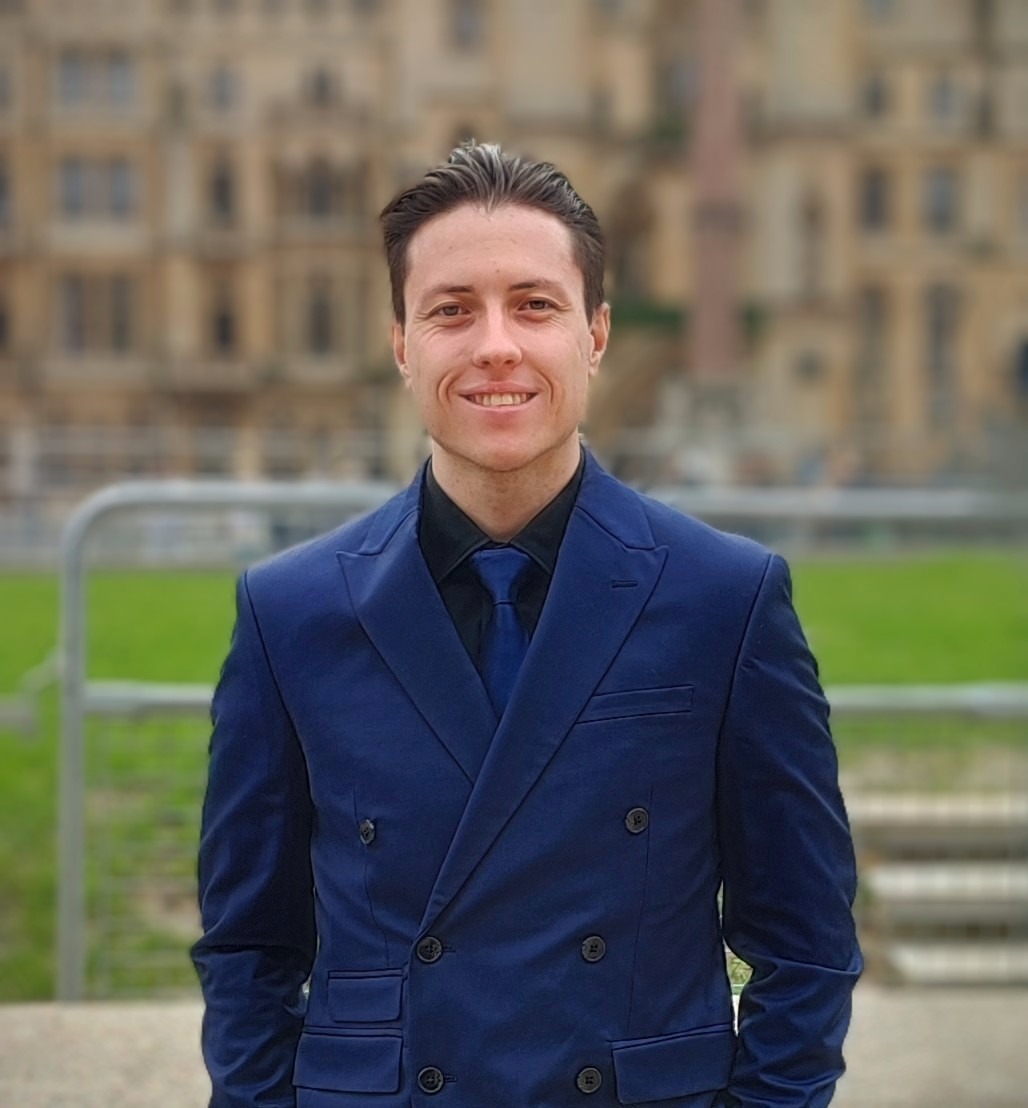
The 2024 Kambule Doctoral Award runner-up is Branden Ingram from University of the Witwatersrand, South Africa.

Dr Ingram’s work leverages recent advances in machine learning to develop complex games like Go and StarCraft. Branden's thesis addresses the challenges of whether these models can be used to enhance human performance by creating an end-to-end pipeline that provides tailored advice for players in a video game setting.
Dr Ingram completed his PhD in 2023, embedded in the dynamic academic community in the RAIL lab, where the collaborative spirit inspired him to push the boundaries of his research. Throughout his PhD journey, Branden discovered a passion for teaching. Engaging with students and witnessing their growth fueled his desire to pursue a career in academia, culminating in his current role as a Lecturer at University of the Witwatersrand.
"This achievement, although individual, is a testament to the incredibly supportive and collaborative atmosphere that we have fostered together in the RAIL lab. Myself, together with my colleagues in the lab are looking to tackle a wide range of projects which involve my primary interest in AI in games but also Robotics as well as fundamental and applied Reinforcement Learning." Dr Ingram said.
Grace Alele-Williams Masters Award
The Alele-Williams Masters Award recognises, celebrates, and celebrates excellence in research and writing by masters candidates at African universities, in any area of computational and statistical sciences. Its recipients are those that uphold Grace Alele-Williams’ legacy as a defender of learning, champion of academic excellence, and, activist for access to education.
This year, the Alele-Williams Masters Award goes to Ms Fiskani Banda from the University of Pretoria, South Africa.
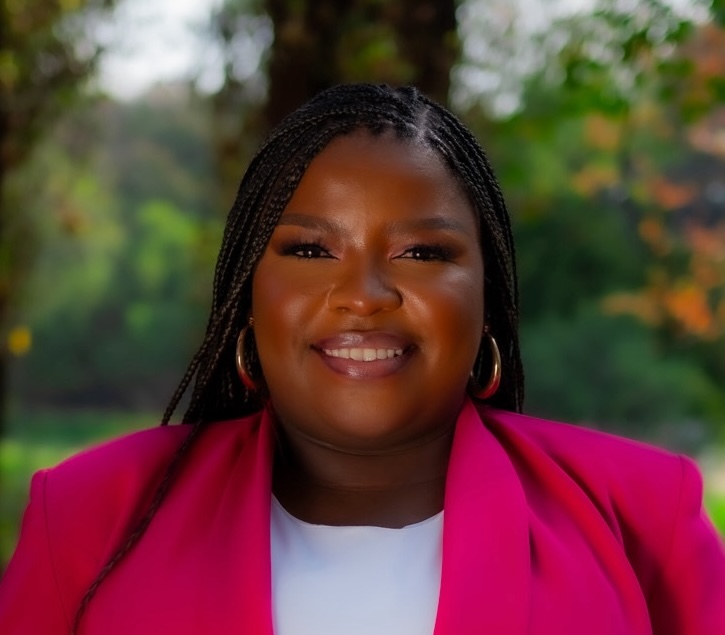
Fiskani was born in Malawi and relocated to South Africa at the age of seven. She obtained her Bachelors in Engineering Science in Biomedical Engineering and a second undergraduate degree in Information Engineering, both at the University of the Witwatersrand. In her final year project, she investigated racial biases encoded in machine learning models. Miss Banda recently completed her Master’s degree in Big Data Science at the University of Pretoria under the supervision of Professor Vukosi Marivate and Dr Joyce Nabende.
In Sub-Saharan Africa, small-scale farmers often struggle without proper resources. Fiskani’s MSc thesis investigates and creates a relevant dataset for South African farmers, using an automated approach with large language models to overcome the limitations of traditional annotation methods. Despite a small dataset, prompt-based fine-tuning shows promise for few-shot learning, effectively capturing domain-specific multilingual data, suggesting a viable path for future applications with limited data.
“I am deeply humbled to be recognized with the Alele-Williams Masters Award. It is through pioneers like Prof. Alele-Williams that women throughout Africa can continue pushing boundaries in STEM. This is a privilege that I am grateful to hold and will continue to be motivated by.” Fiskani said.
The 2024 Alele-Williams Masters Award runner-up is Ms Jacobie Mouton from Stellenbosch University, South Africa.

Ms Jacobie completed her Master’s thesis at the end of 2022 and published an article detailing her findings in Transactions on Machine Learning Research. Jacobie currently works as a Machine Learning Engineer at Capitec Bank. Jacobie’s academic journey, has been a mixture of working hard and reaching for each opportunity that crosses her path.
Jacobie’s research integrates Bayesian networks with variational autoencoders (VAEs) to enhance their interpretability and performance, particularly in scenarios with limited data. She developed a novel graphical normalizing flow, improving VAEs by incorporating conditional independence into their architecture. This approach resulted in a more interpretable model that performs better in data-sparse environments and offers competitive density estimation and inference capabilities, along with more reliable inversion.
“I feel honoured to be considered as the runner-up for the Alele-Williams Masters award, and to me it underscores the importance of dedication and passion in academic pursuits. This recognition inspires me to continue pushing the boundaries in my current role driving high-performing, robust and fair machine learning solutions in industry.” Jacobie said.
Wangari Maathai Impact Award
The Maathai Impact Award recognises and celebrates work by African innovators, thinkers, and advocates that show impactful work — including but not limited to technical, societal, environmental, and economic — around machine learning and artificial intelligence. This award reinforces the legacy of Wangari Maathai in acknowledging the capacity of individuals to be a positive force for change: by recognising ideas and initiatives that demonstrate that each of us, no matter how small, can make a difference.
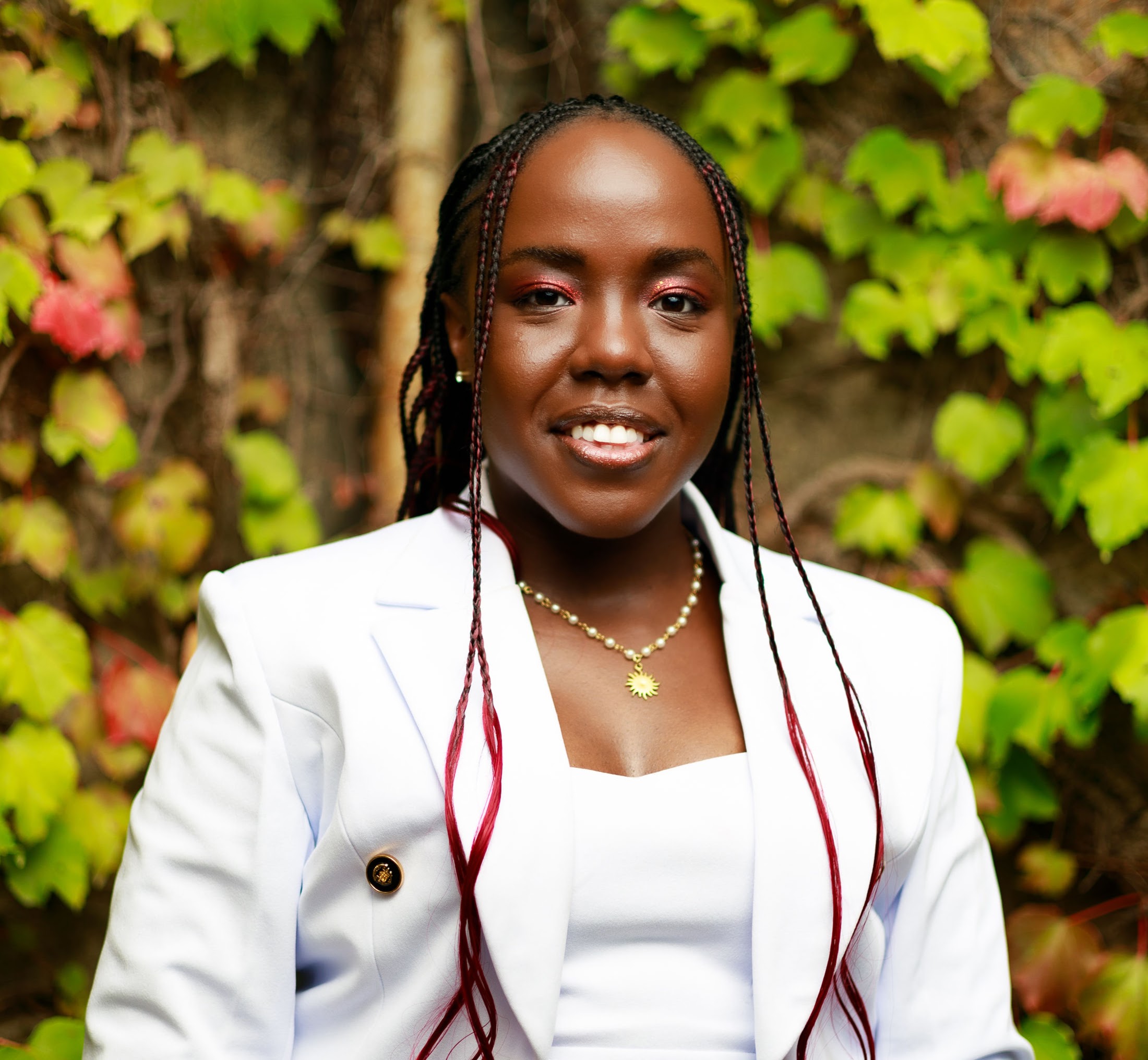
The 2024 Wangari Maathai Impact Award recipient is Grace Muthoni Kaimburi from University of Eastern Africa Baraton, Kenya.
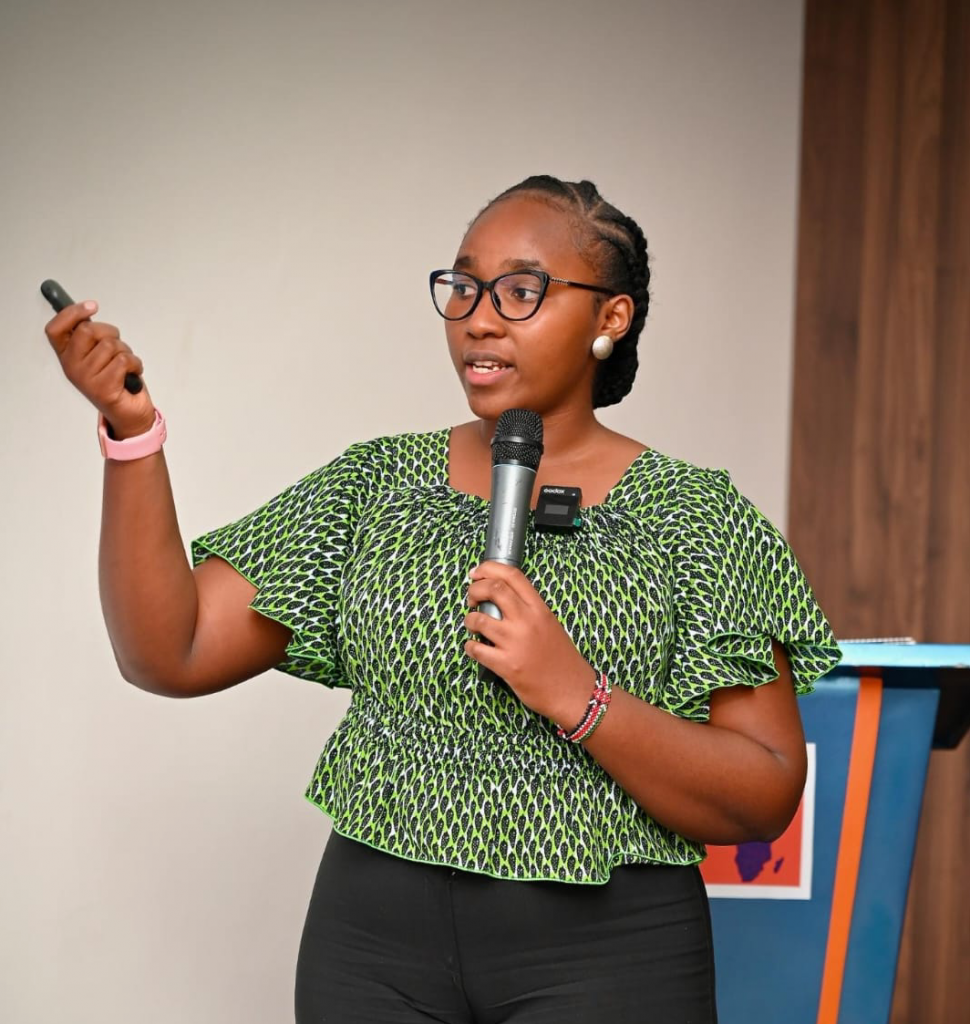
The journey of Emission Pulse started with a simple dream: to make people take better care of our environment. At the core of this project is Grace’s aspiration to show people that their actions do matter and encourage everyone to take responsibility and get involved in environmental initiatives. Grace brought together a dedicated team to create an emission measurement system for cars in Kenya as hopes to scale to other African Countries.
Emission Pulse a CO2 emission meter system developed by the team, is a project driven by the passion to use technology to make a positive impact on our environment. Driven by the curiosity to understand the carbon emissions of hybrid and manual cars in Kenya, the team is developing a CO2 emission meter system that is easy to use and install on any car. Emission Pulse provides real-time emissions information of cars anywhere and anytime. The system offers precise analysis and prediction of individual emission trends, helping numerous stakeholders make informed decisions about policies, manufacturing, and choosing more environmentally friendly transportation options.
“Our project exemplifies how technology can drive significant change, providing accurate data and insights to combat climate change. This recognition fuels our commitment to expanding our research and continuing to innovate for a greener future.” said Grace Muthoni Kaimburi.
The 2024 Wangari Maathai Impact Award runner-up goes to Annine Duclaire Kenne, from Johannes Kepler University, Austria.
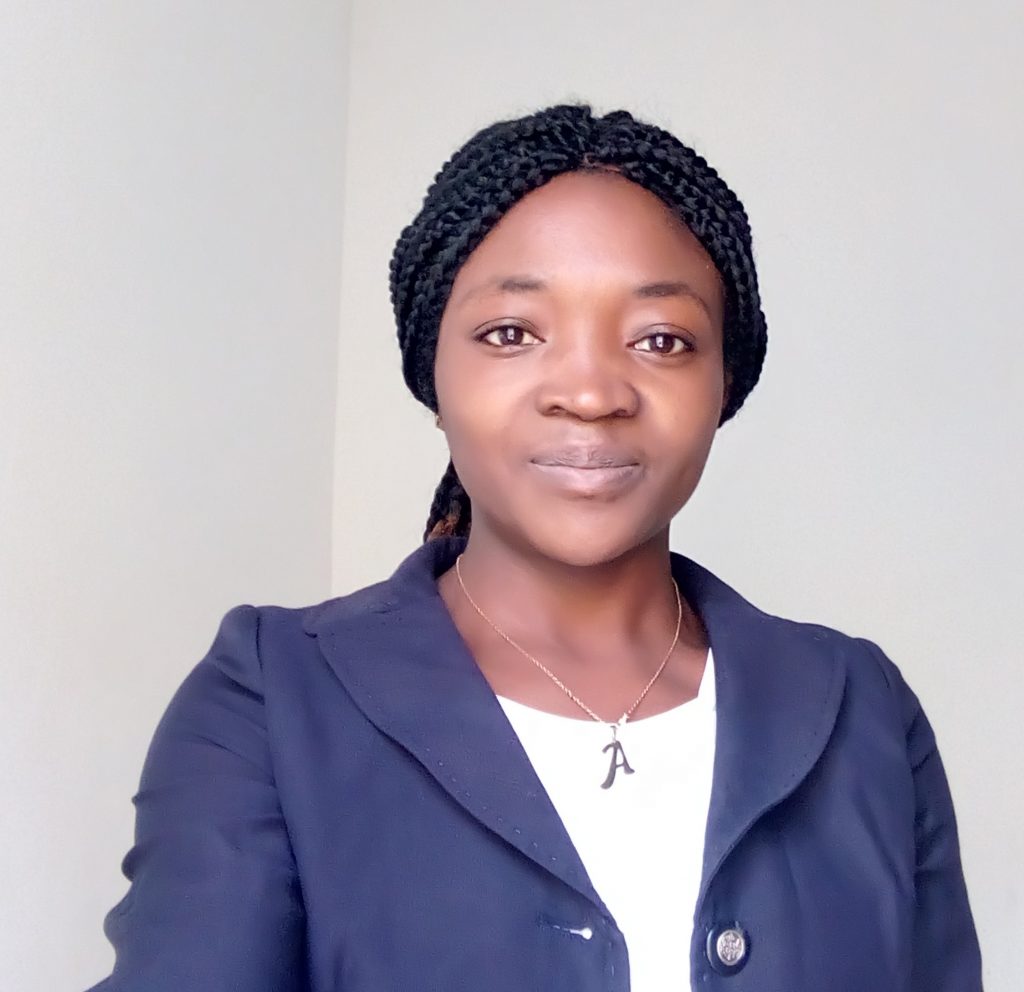
Annine’s journey towards this project began with a keen interest in combining artificial intelligence with climate science to address environmental challenges in Africa. Enabling local authorities and farmers to make informed decisions about planting and harvesting in order to enhance food security, water resources management, and disaster preparedness has been a core aspiration for Annine. As well as development and fine-tuning of machine learning models tailored for weather prediction, collaboration with meteorologists and climate experts has been essential for this project, especially, to validate these models and ensure their practical applicability.
This project, titled "Subseasonal Prediction of Summer Temperature in West Africa Using Artificial Intelligence" enhances the accuracy of subseasonal temperature forecasting using cutting-edge ML technology. Combining work from climate science and cutting-edge AI tools, the project tackles environmental issues in Africa. This includes comprehensive data gathering and the development of specialized machine learning models for weather prediction. These forecasts are vital for agricultural, water resource management, and disaster preparedness in West Africa. Its significant impact lies in aiding local decision-making, fostering food security, and enhancing disaster response.
"Winning the Maathai award for this work on subseasonal temperature prediction is a tremendous honor. It underscores the critical role of artificial intelligence in tackling climate challenges and highlights the collaborative effort behind this success.